By Sahr Daniel Ellie
A powerful midnight hailstorm has left a trail of destruction in Ngandon Gbanneh, displacing hundreds of residents and injuring dozens in one of the most severe weather incidents recorded in recent times. The storm, which struck in the early hours of Friday, April 1, 2026, tore through the sleeping settlement with violent winds and heavy hail, ripping roofs off homes and flattening key structures, including schools and community barries. “We thought the world was ending,” said resident Mariama Kallon, whose home was completely destroyed.
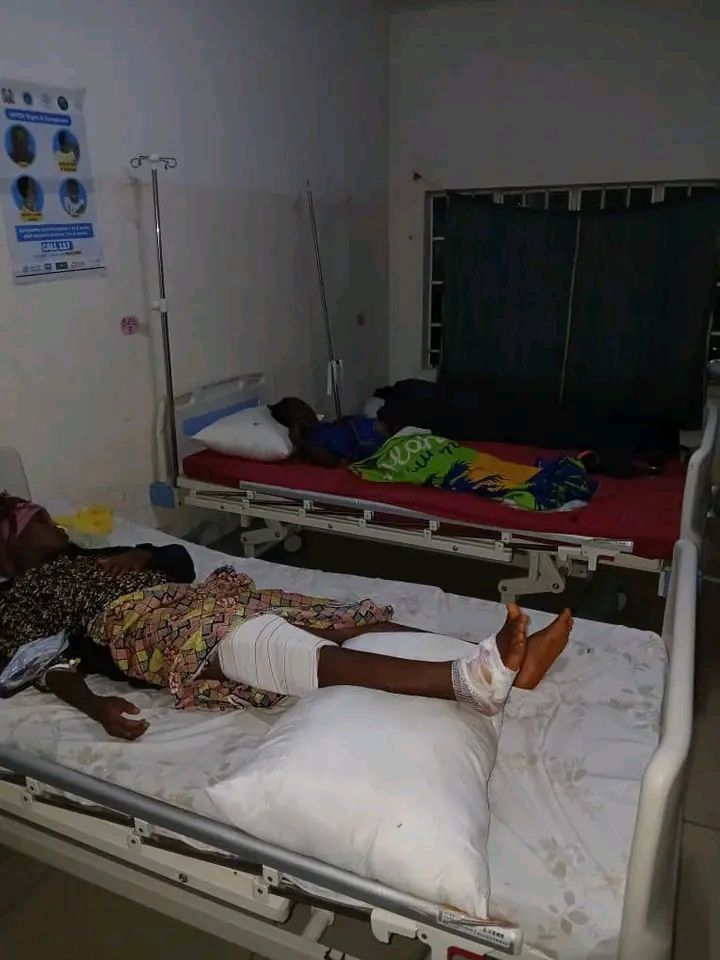
“The wind was so strong, and the noise from the hailstones was terrifying. My children were crying, and we had nowhere to hide.” Emergency response efforts are ongoing, with injured residents receiving treatment at the local Community Health Centre. Those with critical injuries have been transferred to Koidu Government Hospital for advanced care. Local authorities report that many victims—particularly women and children—are now homeless, forced to seek refuge with relatives or sleep in overcrowded and unsafe conditions. “We have lost almost everything,” said community elder Pa Musa Koroma.
“Our houses are gone, our schools are down, and our children are suffering. We are calling on the government and partners to help us rebuild our lives.” The disaster has dealt a heavy blow to education in the community. At least two schools have been completely destroyed, leaving hundreds of pupils without access to classrooms just days before the National Primary School Examination (NPSE), scheduled for May 9, 2026. Teachers and parents fear the situation could severely affect candidates preparing for the crucial exams.
“These children have worked so hard for this moment,” said a local teacher. “Now they have no classrooms, no materials, and no stability. Urgent intervention is needed to ensure they are not left behind.” Community leaders have issued an urgent appeal to the National Disaster Management Agency (NDMA), the Sierra Leone Red Cross Society, and other humanitarian organizations to provide immediate assistance. Priority needs include temporary shelter, food supplies, medical support, and educational materials. As climate patterns grow increasingly unpredictable, disasters like this continue to expose the vulnerability of rural communities across Sierra Leone. For affected residents, the focus now shifts to survival—and the hope that help will arrive before conditions worsen.