By Abass Mahmoud Sillah Jr
Freetown, The 26th Annual Meeting of the Financial Support Steering Committee of the West African Health Organization (WAHO) has commenced in Freetown, bringing together key regional stakeholders to advance collaboration and strengthen health systems across West Africa. The brief but significant opening ceremony featured the introduction of high-level delegates, including ambassadors, steering committee members, and development partners, setting the tone for what is expected to be a strategic and results-driven engagement.
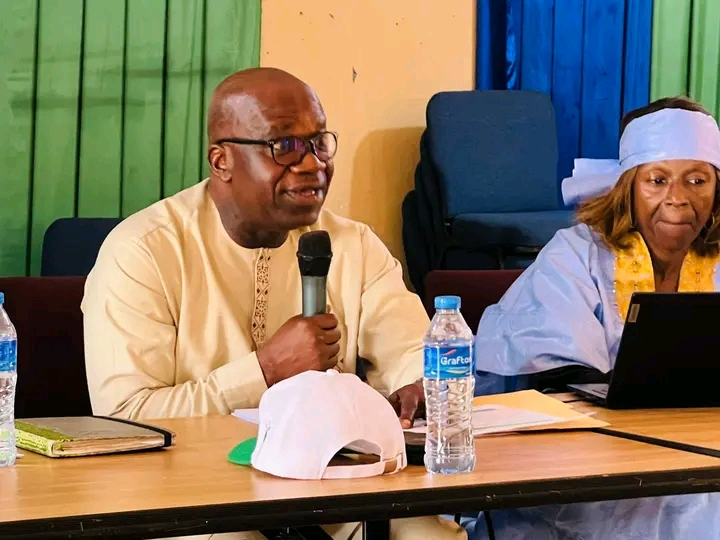
In his opening remarks delivered on behalf of the Resident Representative, Ambassador John Azuma, the Deputy Secretary at the Ministry of Planning, Komba Momoh, welcomed participants and conveyed greetings from President Julius Maada Bio. He emphasized Sierra Leone’s commitment to regional cooperation and the strengthening of health systems. Momoh noted that Sierra Leone is honored to host the meeting, describing it as a critical platform that brings together 12 steering committee members from across the Economic Community of West African States (ECOWAS) region, united in a shared commitment to improving public health outcomes.
He commended the Government and people of Sierra Leone for providing a conducive environment for the meeting, highlighting the country’s peace, security, and hospitality. He encouraged delegates to not only engage in productive discussions but also take time to experience Sierra Leone’s culture and warmth. “This meeting comes at a pivotal moment,” Momoh stated, recalling the establishment of the Steering Committee in May 2024 under the leadership of the WAHO Director-General and the President of the ECOWAS Commission.
He noted that the committee has since developed a framework for stronger oversight, improved coordination, and enhanced accountability in managing financial support to member states. According to him, Sierra Leone has already begun to see tangible benefits from WAHO’s interventions. These include strengthened collaboration among national stakeholders, improved financial reporting systems, and better tracking of health program implementation. He further highlighted progress in key health sectors, including maternal and child health, disease surveillance, and workforce development. These interventions, he said, have contributed to measurable improvements in health outcomes and reinforced the country’s emergency response systems.
“These achievements demonstrate what can be accomplished through coordinated regional action and effective governance,” he added. However, Momoh cautioned that the meeting should not only serve as a platform for celebrating progress but also as an opportunity to address existing gaps. He stressed the need for improved transparency, better coordination of partner funding, and stronger communication between stakeholders. He underscored the importance of ensuring that all forms of external support—particularly those implemented directly by development partners—are properly communicated to national authorities to enhance accountability and maximize impact.
The meeting also reviewed financial commitments and resource mobilization efforts, noting that Sierra Leone had submitted funding requests amounting to approximately $9.3 million to support critical health interventions. Participants emphasized the importance of efficient resource allocation and monitoring to ensure value for money and sustainable outcomes. As part of the meeting’s agenda, delegates are expected to engage in technical discussions focused on improving health system performance, strengthening regional health security, and enhancing preparedness and response mechanisms across ECOWAS member states.
The opening ceremony concluded with remarks from outgoing and incoming committee leadership, followed by a group photograph and informal networking session. Delegates are scheduled to proceed with intensive planning and technical sessions aimed at translating commitments into actionable strategies. The WAHO Financial Support Steering Committee continues to play a vital role in coordinating regional health investments, supporting member states, and advancing the collective goal of ensuring accessible, resilient, and high-quality healthcare systems across West Africa.