Freetown, February 2, 2026 — The National Disaster Management Agency (NDMA) has reaffirmed its commitment to inclusive and people-centred disaster risk management following the successful completion of a nationwide regional gender engagement exercise spearheaded by its Gender and Social Inclusion Coordinator, Mrs. Erica A. B. Konneh.
The regional engagement, conducted from 19th to 26th January 2026, was undertaken with the approval of NDMA management and covered all four regional offices of the Agency in the North-West, Northern, Eastern, and Southern Regions. The exercise brought together regional staff to strengthen understanding of gender mainstreaming, social inclusion, and the critical role of gender-sensitive data across all phases of disaster management—preparedness, response, and recovery.
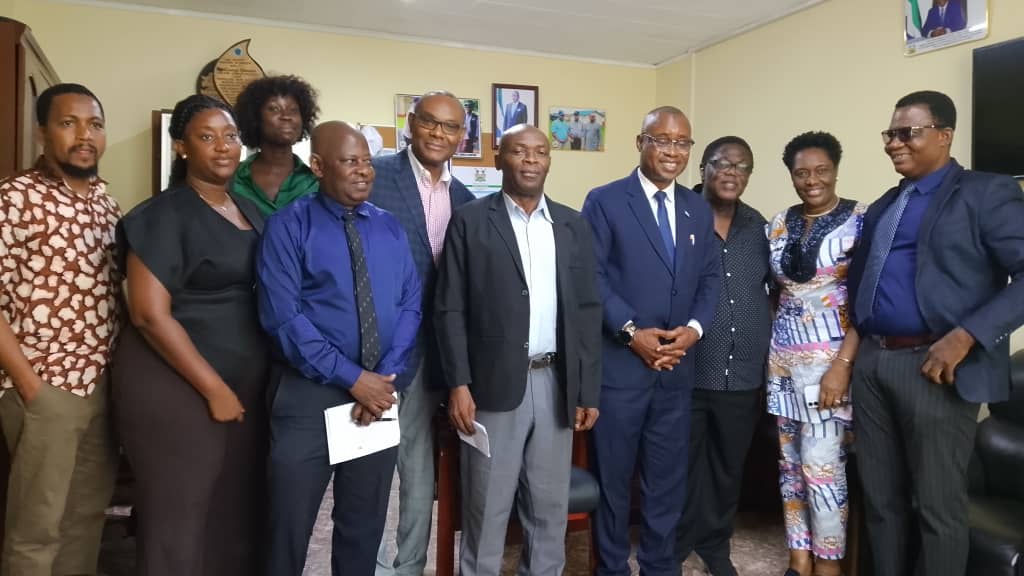
The delegation comprised the Internal Auditor, Mr. Abdul Razak Kemoh; the Deputy Director of Human Resource and Administration, Mrs. Mather Baindu Lahai; and the Gender and Social Inclusion Coordinator, Mrs. Konneh. Across all regions, NDMA staff welcomed the team warmly and actively participated in interactive discussions aimed at reinforcing inclusive practices at regional and community levels.
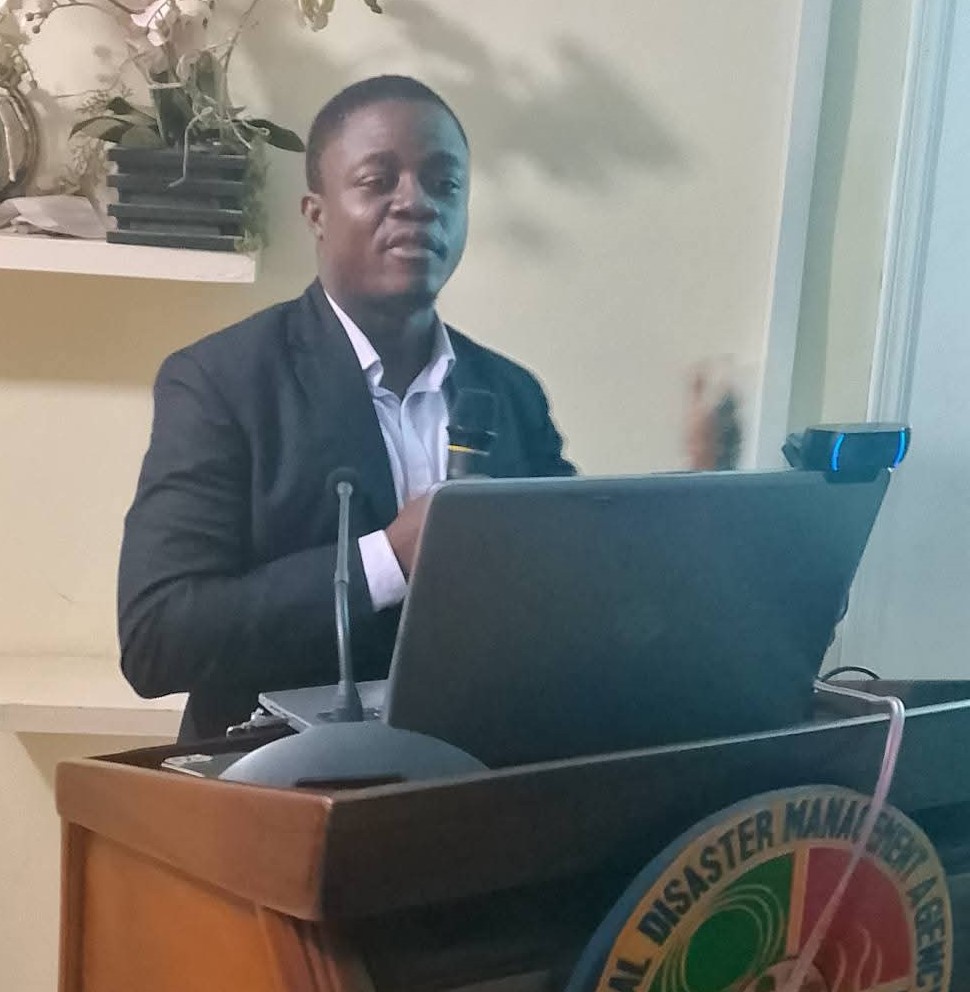
Speaking on the objectives of the engagement, Mrs. Konneh explained that the visit was designed to ensure that gender and social inclusion are not treated as standalone concepts, but rather as core principles integrated into every aspect of NDMA’s operations. “Gender and social inclusion are fundamentally human rights issues,” she stated.
“Our goal is to ensure that NDMA’s disaster response leaves no one behind—whether women, men, children, older persons, or persons living with disabilities.” She further emphasized that the engagement sought to inspire regional staff to serve as inclusion ambassadors in their daily work, particularly during community engagements, assessments, and data collection exercises. According to her, accurate, inclusive, and ethical data collection is essential for effective planning, coordination with partners, and resource mobilisation.
The sessions were structured around presentations followed by open discussions, providing staff with the opportunity to share experiences, ask questions, and propose practical solutions. A post-session questionnaire administered across all regions recorded a 92.3 per cent response rate, reflecting strong participation and generating valuable insights into staff perceptions of gender and inclusion work within the Agency.
Participants reported gaining a clearer understanding of gender mainstreaming as a cross-cutting mindset that spans the entire disaster management cycle. Many acknowledged that gender issues extend beyond women and children to include men and other vulnerable groups, and that inclusive disaster management requires key competencies such as effective communication, coordination, ethical data handling, and risk communication.
Commenting on the importance of the initiative, NDMA Director General, Mr. John Vandy Rogers, described the regional engagement as a strategic investment in the Agency’s institutional effectiveness. “Inclusive disaster management is not optional; it is essential,” he said. “When gender and social inclusion are properly mainstreamed, our interventions become more effective, more accountable, and more responsive to the real needs of affected communities.”
The Director General assured that NDMA management would carefully review the findings and recommendations arising from the engagement, noting that several issues raised have cross-cutting implications beyond the Gender Unit due to the Agency’s integrated operational structure. In her concluding remarks, Mrs. Konneh described the regional tour as both professionally enriching and institutionally valuable.
“The visit strengthened my confidence, deepened relationships with colleagues, and provided firsthand insight into the realities of gender work in the regions,” she noted. “With the right tools, training, and support, regional staff can significantly enhance NDMA’s impact at the community level.”
She also expressed appreciation to NDMA management for approving and supporting the initiative, describing it as a clear demonstration of leadership’s commitment to equity, inclusion, and people-centred disaster management. The regional engagement aligns with NDMA’s broader mandate to promote resilient communities through inclusive, coordinated, and evidence-based disaster risk management across Sierra Leone.