By: The Nature Newspaper
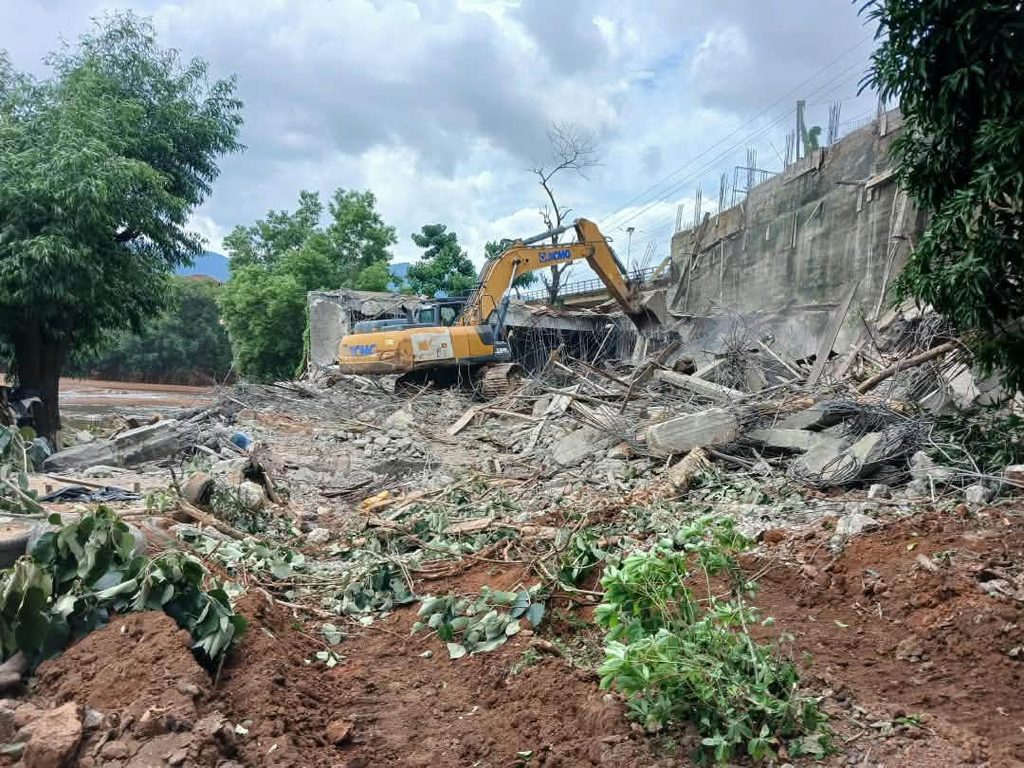
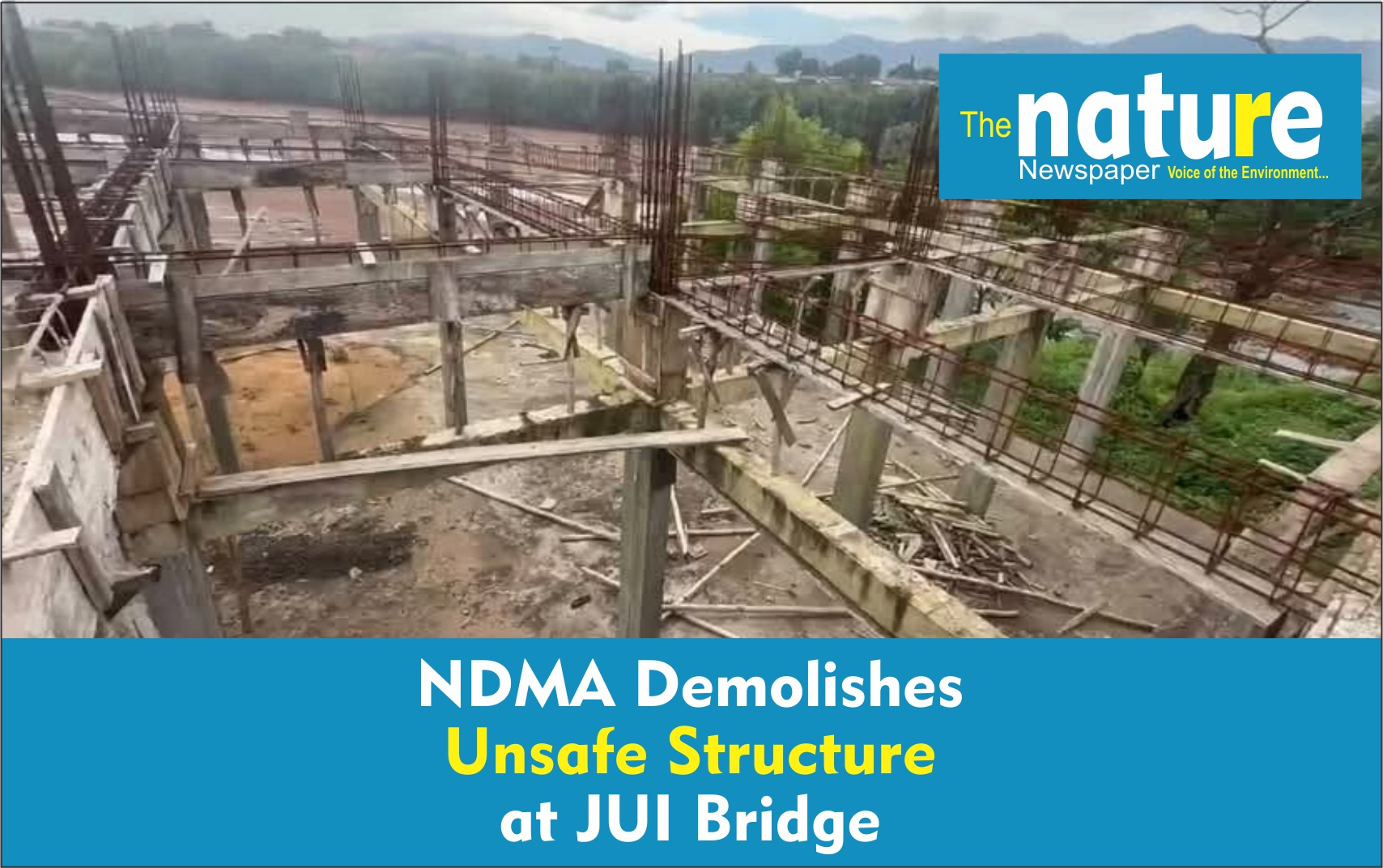
In a decisive operation aimed at safeguarding public safety and protecting critical infrastructure, the National Disaster Management Agency (NDMA) on Tuesday 6th October, 2026 carried out the controlled demolition of an unauthorized and structurally compromised building adjacent to the Jui Bridge in the eastern part of the capital city. The exercise was led by Deputy Director of NDMA, Sulaiman Bandanuma Suma, who supervised the multi-agency team on site. Heavy machinery and specialized personnel moved in early morning, carefully bringing down the multi-storey structure that had posed an immediate threat to motorists, pedestrians and the integrity of the bridge itself. Speaking to journalists after the successful operation, Deputy Director Suma explained the urgent necessity of the action. “This structure had become a serious hazard,” he stated. “Our technical assessments revealed severe structural weaknesses, including cracked foundations, compromised load-bearing walls and illegal extensions that violated all building codes. It was only a matter of time before it collapsed onto the roadway or, worse, compromised the Jui Bridge itself.” He emphasized the critical role of the bridge in the capital’s transport network. “The Jui Bridge is a vital artery connecting the eastern suburbs to the rest of the city.
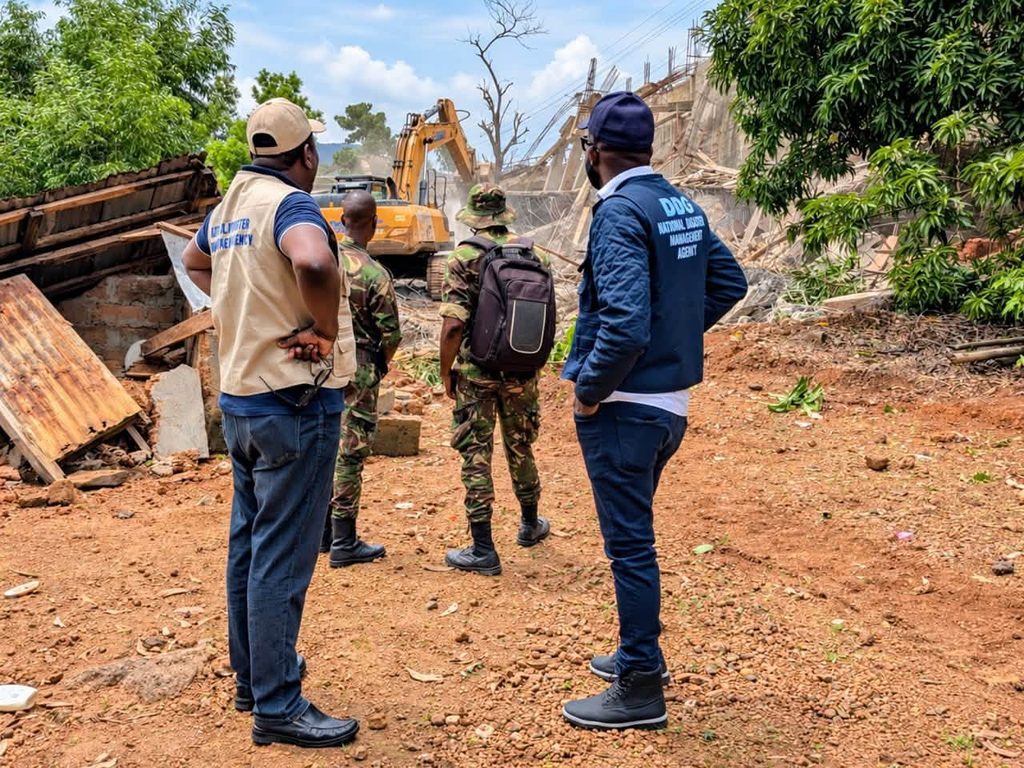
Thousands of vehicles and pedestrians rely on it daily. Any failure here would cause severe disruption, economic losses and, most importantly, potential loss of lives. We cannot allow illegal constructions to endanger such an important piece of infrastructure.” Turning to environmental concerns, Suma highlighted the broader impact of the unauthorized building. “Beyond the immediate safety risks, this structure was also contributing to environmental degradation in the area. It obstructed natural drainage channels, increasing the risk of flooding during the rainy season, and its construction involved the clearing of vegetation along the riverbank. Debris and waste from the site were polluting the surrounding environment. By removing it, we are not only protecting lives and infrastructure but also restoring ecological balance and improving the resilience of the area against climate-related hazards.” The Deputy Director noted that the demolition followed multiple warnings and notices issued to the occupants and owners, who failed to comply with stop-work and evacuation orders. NDMA coordinated closely with the Sierra Leone Police, the Ministry of Works and Public Assets, and local authorities to ensure the operation was conducted safely and with minimal disruption to traffic.
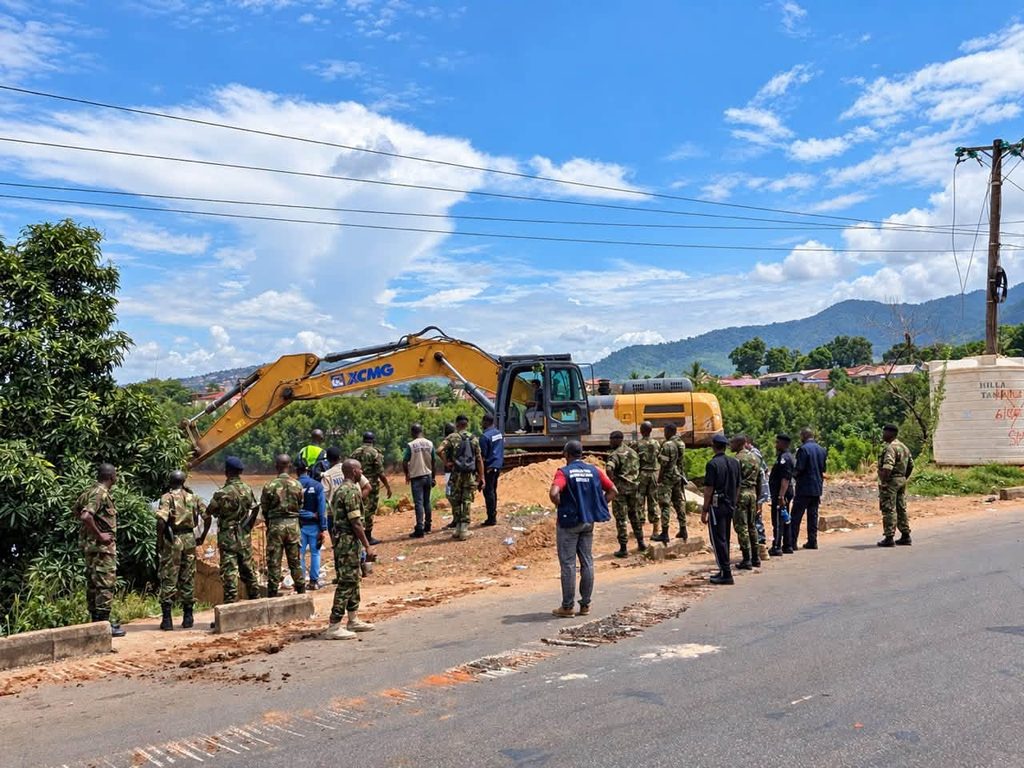
Residents and road users who gathered nearby expressed mixed reactions some relieved at the removal of what they described as an “eyesore and danger,” while others voiced concerns about displacement. NDMA officials indicated that support measures for affected persons would be coordinated through the relevant social welfare agencies. Suma concluded by reaffirming the agency’s commitment: “This is part of our ongoing mandate to reduce disaster risks across the country. We will continue to act against any structure that threatens public safety, critical infrastructure or the environment. The safety of our people and the protection of our national assets remain non-negotiable.” The site is now being cleared of debris, with plans underway for proper landscaping and reinforcement of the riverbank area to prevent future encroachments. Traffic on the Jui Bridge resumed normal flow shortly after the controlled demolition was completed.