By Abass Mahmoud Sillah Jr
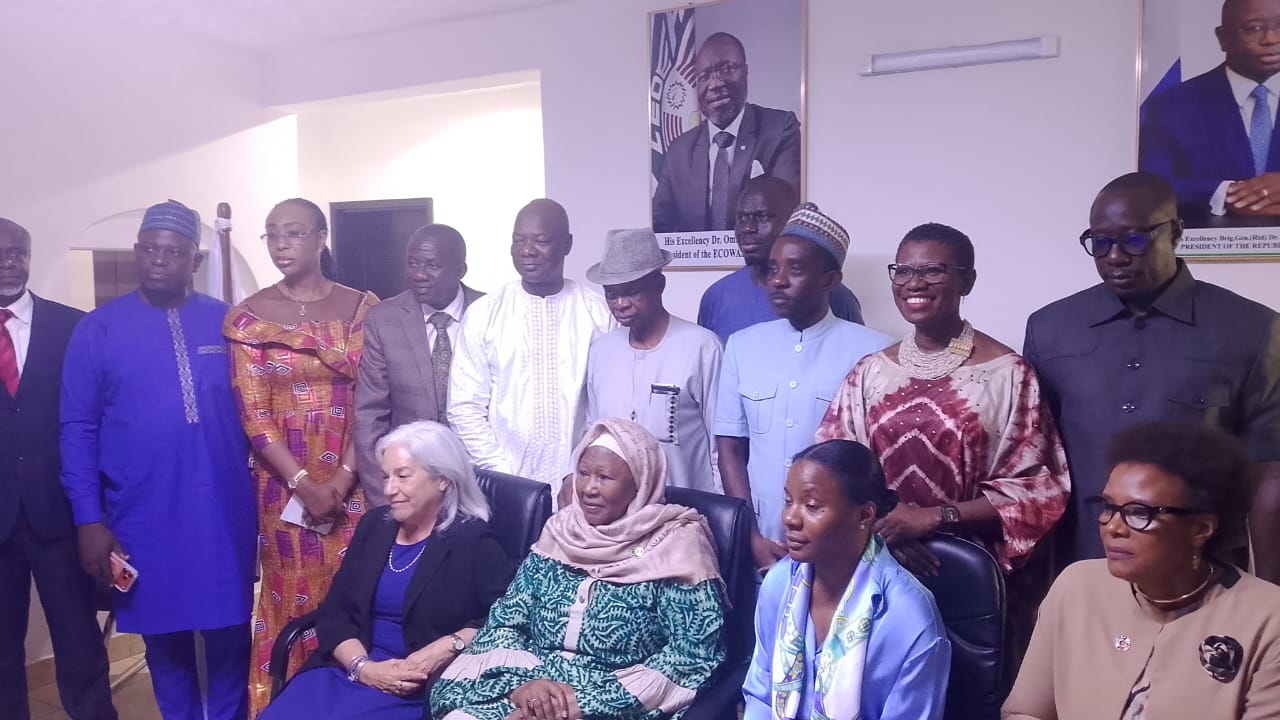
The Chairperson of the International Moral Guarantors, Fatoumata Jallow-Tambajang, has called for urgent institutional reforms, expanded political inclusion, and strengthened electoral processes following the conclusion of a high-level assessment mission to Sierra Leone. The mission, conducted from April 13 to 20, 2026, evaluated progress on the implementation of the Agreement for National Unity signed between the Government of Sierra Leone and the opposition All People’s Congress (APC) on October 18, 2023.
Addressing stakeholders, Jallow-Tambajang outlined a series of agreements reached after intensive consultations with government officials, opposition leaders, civil society, and international partners. Central among these is the urgent establishment of a parliamentary standing committee on electoral matters. The committee, to be constituted by Parliament’s leadership, will review the electoral cycle, assess preparedness, and guide legislative reforms ahead of the 2028 general elections.
Its terms of reference are expected to align with constitutional provisions to ensure transparency and accountability. The parties also agreed to restructure and expand the implementation framework of the Tripartite Committee recommendations—often referred to as the “Tripartite process”—through revised terms of reference. This includes the creation of a high-level oversight mechanism to provide strategic direction and ensure effective execution of reforms.
In a move aimed at strengthening inclusivity, the Tripartite Steering Committee will be expanded to include additional APC representatives, other political parties, and civil society actors currently excluded from the process. Furthermore, a team of legal experts representing the government, APC, and other relevant stakeholders will be constituted to spearhead constitutional and legislative reforms tied to electoral governance. On national peace and election security, the mission noted that existing coordination platforms between security agencies and civil society will be reinforced.
The Vice President is expected to engage the National Security Council to enhance collaboration with political stakeholders. Regarding the ongoing population and housing census, both parties agreed that census data should serve as a tool for development planning as well as electoral purposes. The government committed to adopting an inclusive, multi-stakeholder approach in the use of 2026 census data. The question of the electoral system remains under consideration in Parliament as part of the Constitution of Sierra Leone Amendment Bill 2025.
According to the mission, the final decision will be determined through established legislative processes. The parties reaffirmed their commitment to implementing electoral reforms outlined in the Tripartite Committee report, particularly Recommendation 36. They also agreed to restructure the Electoral Commission for Sierra Leone within the framework of the national unity agreement no later than December 31, 2026. To ensure accountability, the agreement provides that in cases of undue delays, the parties and moral guarantors will reconvene to review progress and address bottlenecks.
A major outcome of the dialogue is the commitment by the APC and its elected officials to immediately end their boycott of governance processes. The move is expected to restore inclusivity and improve transparency across all levels of government. The mission emphasized the importance of sustained engagement among political parties, Parliament, civil society, and international partners on critical constitutional and electoral reforms. It highlighted the need for consensus on the electoral system well ahead of the 2028 elections.
The assessment mission was co-led by Jallow-Tambajang alongside senior international officials, including representatives from the United Nations and the Commonwealth. It was facilitated by the Independent Commission for Peace and National Cohesion with technical support from regional and international partners. Speaking at the closing session, stakeholders described the week-long engagement as a “marathon effort” marked by continuous dialogue and negotiation aimed at consolidating peace and democratic stability.
Participants acknowledged that while disagreements and tensions persist, the outcomes reflect a shared commitment to national unity and the long-term stability of Sierra Leone. As Jallow-Tambajang noted, achieving peace often requires compromise, underscoring the spirit of cooperation demonstrated by both the government and the opposition throughout the process.