By Abass Mahmoud Sillah Jr
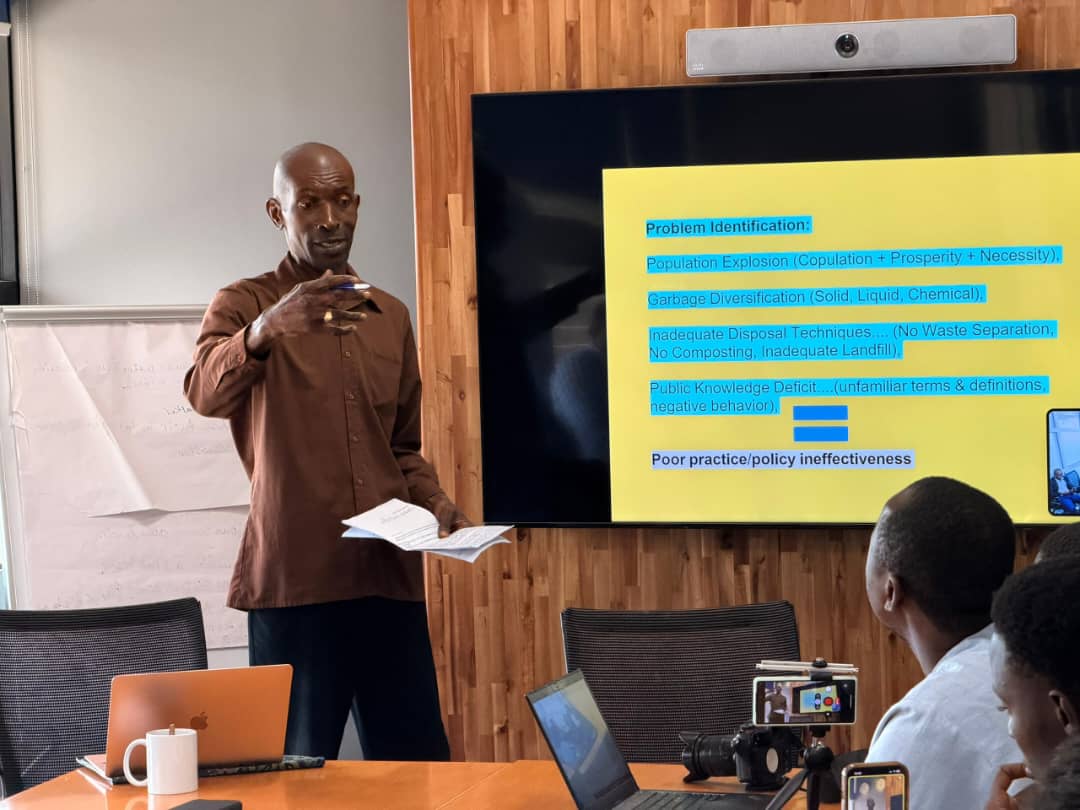
Sierra Leone faces significant challenges in industrializing its plastic recycling sector, largely due to persistent electricity deficits, inadequate infrastructure, and policy gaps, according to environmental journalist Harald Williams. Speaking at a recent environmental forum in Freetown, Williams painted a vivid picture of the hurdles that prevent local recycling from reaching its full potential. Williams explained that while plastic waste could be repurposed and recycled locally, the lack of stable electricity makes large-scale industrial recycling practically impossible.
“The voltage fluctuates constantly, and we do not have the electrical engineers or equipment—like variable frequency drives—to run heavy-duty machines safely,” he said. Currently, much of the country’s plastic waste is exported to neighboring Guinea, where it is pulverized and reprocessed. Williams described witnessing hazardous working conditions, with laborers manually chopping plastic waste, leading to severe accidents. He emphasized the urgent need for safer, more sustainable recycling solutions powered by reliable electricity, including potential hydropower or solar solutions.
Williams highlighted major governance challenges in waste management. He questioned why sanitation and health responsibilities were bundled under the Ministry of Water Resources, Sanitation, and Health, arguing that a dedicated Ministry of Waste Management would be more effective. He stressed the importance of a National Waste Management Act rather than just policy frameworks, to clearly define roles and responsibilities across government, private sector actors, and citizens.
“Who is responsible for the garbage outside your house? Who regulates the Clean Salon boys and girls? How do we bring the private sector on board?” he asked. While extended producer responsibility (EPR) is a positive concept, Williams noted that it remains largely at the policy stage in Sierra Leone. He urged that such policies be ratified into law and effectively enforced, with strong accountability mechanisms. He also warned that public knowledge deficits hinder progress. Many citizens remain unfamiliar with technical terms like “extended producer responsibility,” highlighting the need for translating policies into local languages and practical guidance for households.
Williams pointed out that inadequate waste segregation and insufficient landfill infrastructure exacerbate the problem. “People are burning garbage, releasing persistent organic pollutants that leach into the soil and water. Our landfills, such as Bome Kisi and Bome Kintong, are overburdened. Joy Junction is the only functional site in the Western Area, yet even it is insufficient,” he said. He called for renewed national cleaning campaigns and better waste segregation practices, including separating organic and recyclable waste to improve composting and recycling.
Williams emphasized the role of investigative journalism in holding policymakers accountable. “The media must expose the realities, not just accept the rosy pictures painted by ministries. Citizens must be made aware of their obligations, and policies must translate into effective action on the ground,” he said. Sierra Leone’s struggle with plastic waste management highlights the intersection of infrastructure deficits, policy gaps, and public awareness challenges.
Without reliable electricity, dedicated governance, and citizen engagement, efforts to industrialize recycling and implement circular economy practices remain constrained. Williams’ remarks call for urgent reforms, including legal frameworks, better waste management infrastructure, and proactive public education to transform Sierra Leone’s waste management landscape.