By Josephine Sesay
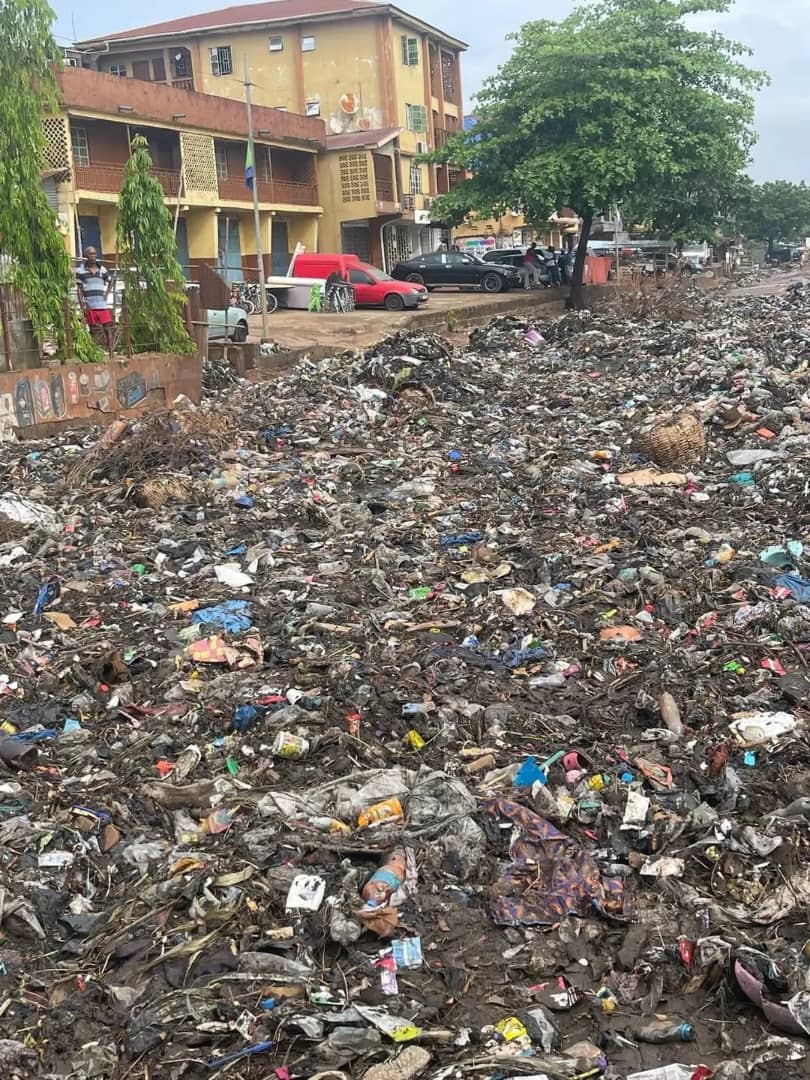
With the onset of the rainy season, growing concern is mounting over worsening waste disposal practices in eastern communities of Freetown, where streets and drainage systems are increasingly choked with garbage. Following the first rains in May, several neighborhoods have been left littered with waste, as blocked gutters have caused water to stagnate and overflow. The National Disaster Management Agency has warned that such conditions significantly heighten the risk of flooding, particularly in low-lying and already vulnerable areas.
Despite ongoing public awareness campaigns, indiscriminate dumping of waste into streets and waterways remains widespread. Environmental experts caution that these practices not only undermine sanitation efforts but also directly contribute to urban flooding. In response, the Freetown City Council has intensified cleaning operations across affected communities, focusing on clearing drainage channels and mobilizing residents to adopt responsible waste management habits.
Meanwhile, the Ministry of Health and Sanitation continues to educate the public on the health dangers linked to poor sanitation. Health officials emphasize that improper waste disposal creates breeding grounds for mosquitoes and other disease vectors, increasing the risk of infections such as malaria and cholera. They stress that maintaining a clean environment is essential not only for preventing illness but also for safeguarding overall community well-being. Residents are therefore being urged to take ownership of their surroundings by disposing of waste properly and actively participating in community clean-up initiatives.
Authorities note that while government institutions are making visible efforts, sustainable progress will depend on collective responsibility. As rainfall intensifies in the coming weeks, stakeholders warn that failure to address poor waste management practices could result in avoidable flooding and serious public health consequences.