By: The Nature Newspaper
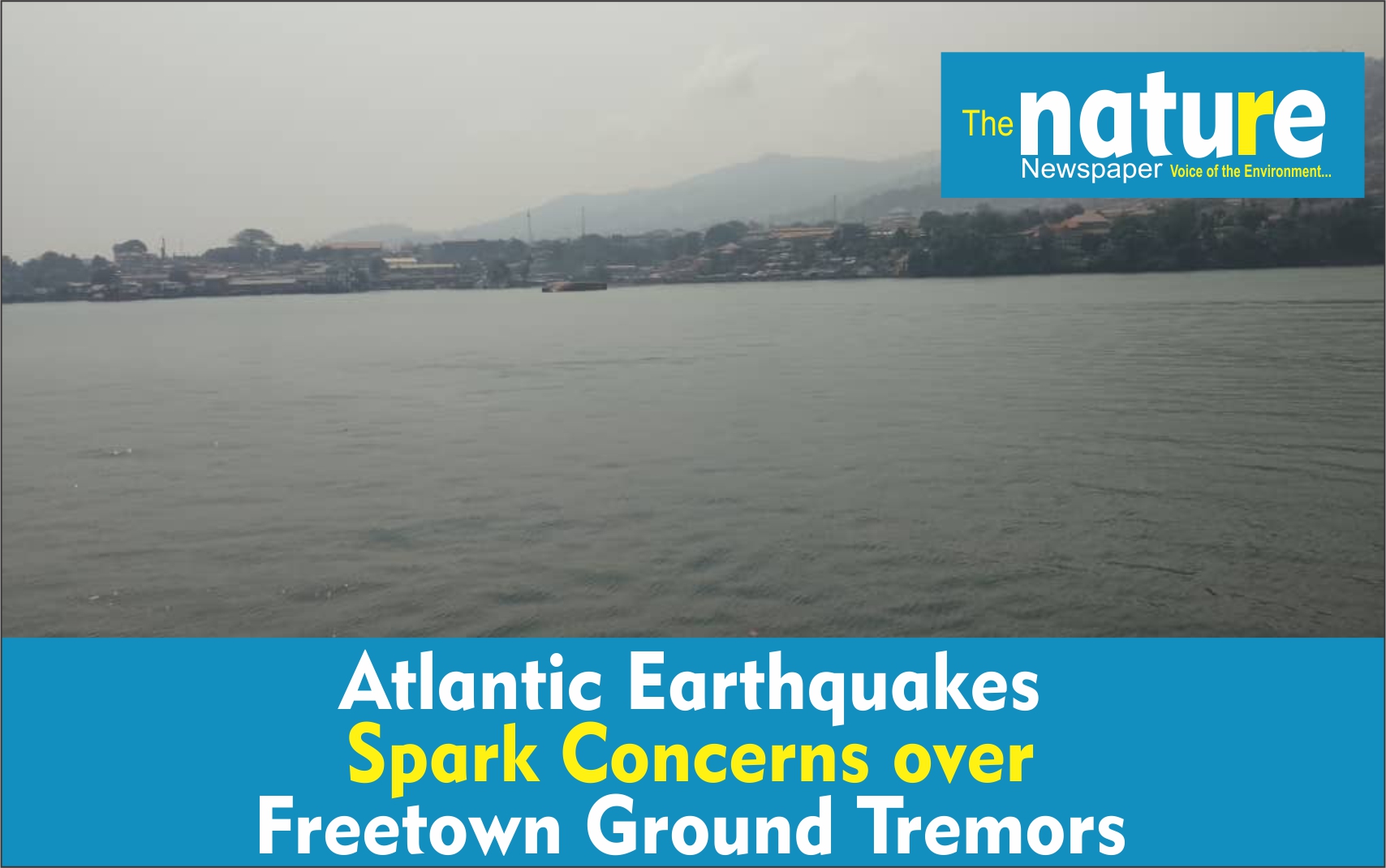
Residents of Freetown were left concerned on Tuesday, 13 October 2026, after reports of ground shaking in parts of the capital raised questions about building safety and the possibility of a major earthquake. The reported tremors coincided with two powerful earthquakes recorded along the Central Mid-Atlantic Ridge in the Atlantic Ocean, raising questions about whether the offshore seismic activity was responsible for the shaking felt in Freetown. According to the United States Geological Survey (USGS), the earthquakes measured magnitudes 6.7 and 6.9, with the second occurring at approximately 12:23 p.m. Sierra Leone time. Its epicenter was about 1,180 kilometres southwest of Freetown. However, scientists have cautioned that the timing of the earthquakes alone does not confirm that they caused the tremors experienced in the capital.
The National Disaster Management Agency (NDMA), working with the Sierra Leone Institution of Geoscientists and other relevant authorities, initiated an investigation to establish the possible cause of the incident Preliminary inspections reportedly covered several locations, including Youyi Building, Africell’s head office in Wilberforce, old WAMA building at Ecowas Street, Freetown City Hall, Kissy House, waterloo and wellington streets in Freetown Initial findings indicated that no major structural damage or fatalities were identified at the locations inspected. However, the assessments were limited to the sites visited, and further investigation is necessary to determine whether other areas were affected. own, particularly structures that may not meet appropriate construction standards Although no widespread damage has been confirmed in the preliminary inspections, experts say the incident highlights the importance of building safety, effective earthquake monitoring and public disaster preparedness. Residents should remain calm but take the incident seriously.
If further shaking occurs, people should drop to their hands and knees, take cover under sturdy furniture, protect their heads and necks, and stay away from windows. After the shaking stops, anyone who notices serious cracks or other signs of structural damage should avoid entering the building until it has been assessed by qualified professionals. The offshore location of the earthquakes has also raised questions about possible tsunami threats to Sierra Leone’s coastline. Available information from the US Tsunami Warning System indicated that no tsunami warning, advisory, watch or threat was in effect for the areas covered by its bulletin. There is no verified evidence that the incident caused a tsunami affecting Sierra Leone. Authorities have also cautioned against unverified claims that a larger earthquake is imminent. Scientists cannot predict precisely when and where an earthquake will occur, and the reported tremors alone do not establish that another, more powerful earthquake is approaching. The incident serves as a reminder of the importance of public awareness and effective emergency response systems. age to the relevant authorities, and avoid spreading unconfirmed information that could cause unnecessary pani For Freetown, the priority is to establish the cause of the shaking, assess any potential damage and ensure that public buildings and homes are adequately protected against possible Until the technical investigation is completed, the key message is clear: residents should remain calm, stay informed and take reasonable safety precautions without giving in to fear.