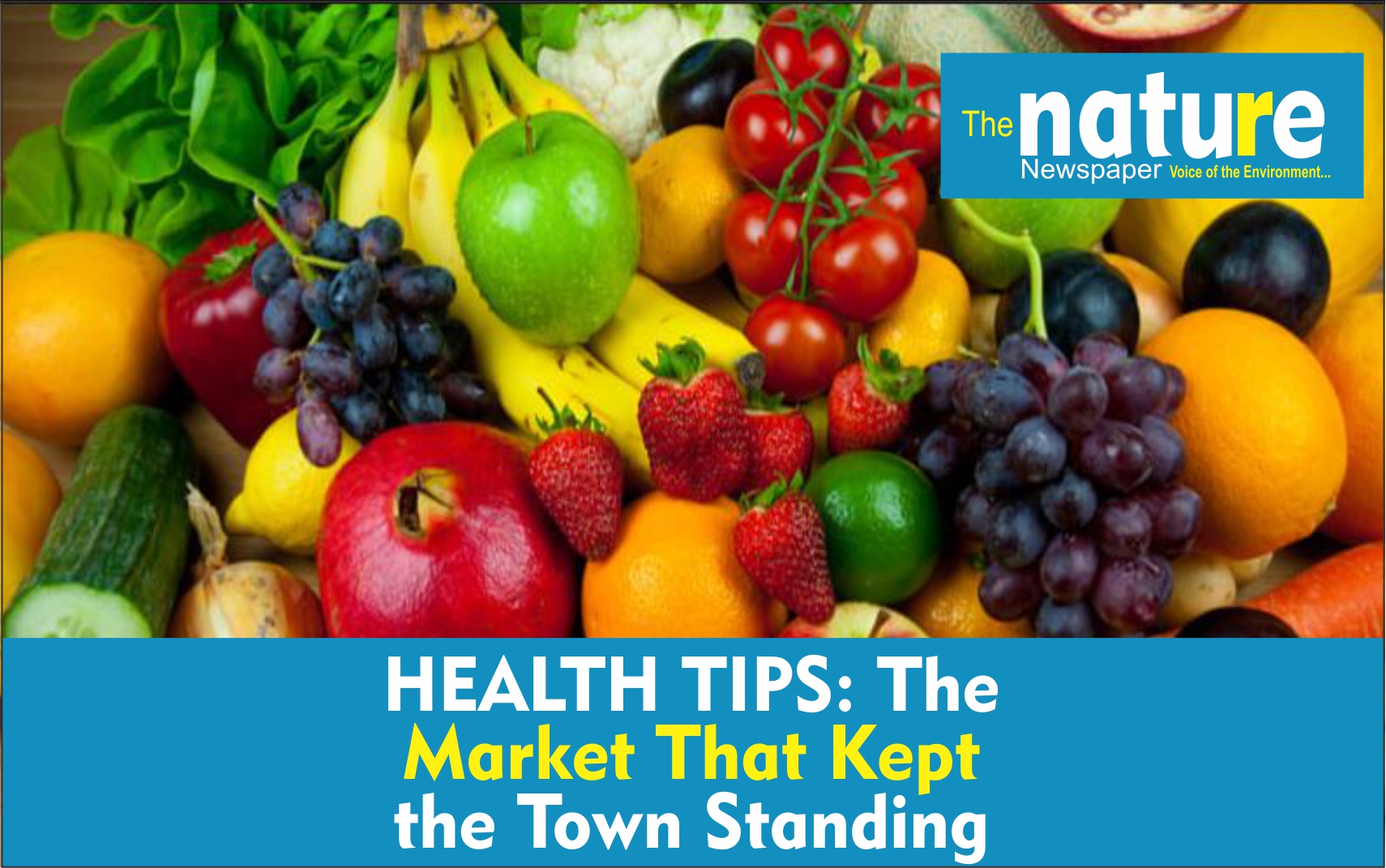
By midmorning the heat had already settled over the stalls, and the air smelled of wet soil and crushed leaves. Amara wiped her hands on her apron and set three crates at the front of her table: pale green cucumbers beaded with water, tomatoes still warm from the vine, and a heap of carrots the color of late sun. People stopped for the usual reasons price, crunch, the habit of buying what their mothers had bought. She had started telling them a different reason. “These are not medicine,” she said, when a customer asked if the tomatoes would fix her blood pressure. “They are food. Eat them often enough, with the rest of a real plate, and the body has an easier job.” That was the whole sermon. The science behind it is quieter than a miracle, and stronger for it. The cucumber that drinks for you A cucumber is mostly water about 96 percent, among the highest of any solid food. The body usually draws roughly a fifth of its daily water from food, and raw vegetables are where much of that water lives. In hot weather, or on days when a person forgets the glass, a cucumber is a small, portable reservoir: low in calories, crisp with potassium, and carrying a modest amount of vitamin K. Amara sliced them thin and salted them lightly, the way her grandmother had. Customers who claimed they “did not drink enough” still left with a bag.
Hydration is not glamorous. It is simply the condition in which the rest of nutrition can work. The tomato and its red armor Tomatoes hold still more water, near 94 percent, but their reputation rests on color. The red is lycopene, a carotenoid that quenches free radicals more efficiently than beta-carotene in laboratory measures, and that has been linked in population studies to lower risk of cardiovascular disease and, in some analyses, certain cancers. Those links are associations from diets, not promises from a single fruit. What the kitchen does know is practical: lycopene is released and absorbed far better from cooked tomatoes eaten with a little oil than from a raw slice alone. A simmered sauce is not a compromise. It is the better delivery system. Amara kept a pot at the back of the stall for that reason. She crushed the soft fruit, warmed it with onion and a spoon of oil, and sold the result by the jar. “The red stays in you longer this way,” she told people, which was close enough to the truth. The carrot and the light it keeps Carrots owe their orange to beta-carotene, which the body converts into vitamin A. Vitamin A is required to build rhodopsin, the pigment that lets the eye register light in dim conditions.
That is the grain of truth inside the old story about carrots and night vision: they support normal sight, especially in low light, and adequate intake is associated with lower risk of cataracts and age-related macular degeneration. They do not grant extraordinary vision, and beta-carotene pills have not matched the benefit of the vegetable itself in some trials, isolated supplements have even pointed the wrong way. The carrot, fiber and all, is the safer package. Cooking helps here too. Heat and a little fat raise the amount of beta-carotene the body can take up; a cup of cooked carrots supplies more available carotenoid than the same cup raw. One modest serving also brings a couple of grams of fiber, which slows digestion and feeds the microbes that keep the gut in order. The rest of the row No single vegetable covers the table. Leafy greens spinach, romaine, kale carry folate, vitamin K, and nitrates tied more strongly than most produce to lower cardiovascular risk. Bell peppers add vitamin C, useful for collagen and for the absorption of iron from beans and grains. Broccoli and other crucifers contribute fiber and sulfur compounds studied for cellular defense.
Zucchini, like the cucumber, is mostly water and takes on whatever flavor the pan gives it. Large pooled studies, including work from Harvard following about two million people, found that five daily servings of fruit and vegetables classically two of fruit and three of vegetables lined up with about a 13 percent lower risk of death from any cause, 12 percent lower from heart disease or stroke, and 10 percent lower from cancer, compared with two servings. Leafy greens and produce rich in vitamin C and beta-carotene accounted for much of that pattern. Eating far beyond five servings did not clearly add further protection in that analysis. Variety, not volume for its own sake, was the point: red, orange, and green on the same plate, most days of the week. What Amara put in the bag She stopped short of cures. Blood pressure, cholesterol, and long-term disease risk move with the whole diet vegetables and fruit, legumes, nuts, whole grains, less ultra processed food and less processed meat not with one crate. Still, the crate was where people could start. A practical week, in her telling, looked ordinary. Cucumber in water or in a salad at midday. Tomatoes cooked into sauce or stew, with oil, several evenings. Carrots roasted or added to soup so the beta-carotene could be absorbed. A handful of leaves at one meal, a pepper at another. Five servings was not a prescription written in grams. It was a market bag that came home full. By noon the three crates were lighter. A boy bit into a carrot and made a face at the sweetness. His mother took the tomatoes for the evening pot and the cucumbers for the next day’s heat. Amara retied her apron and set out what remained. The town would not be saved by vegetables. It would, if it kept buying them, be a little harder to wear down.