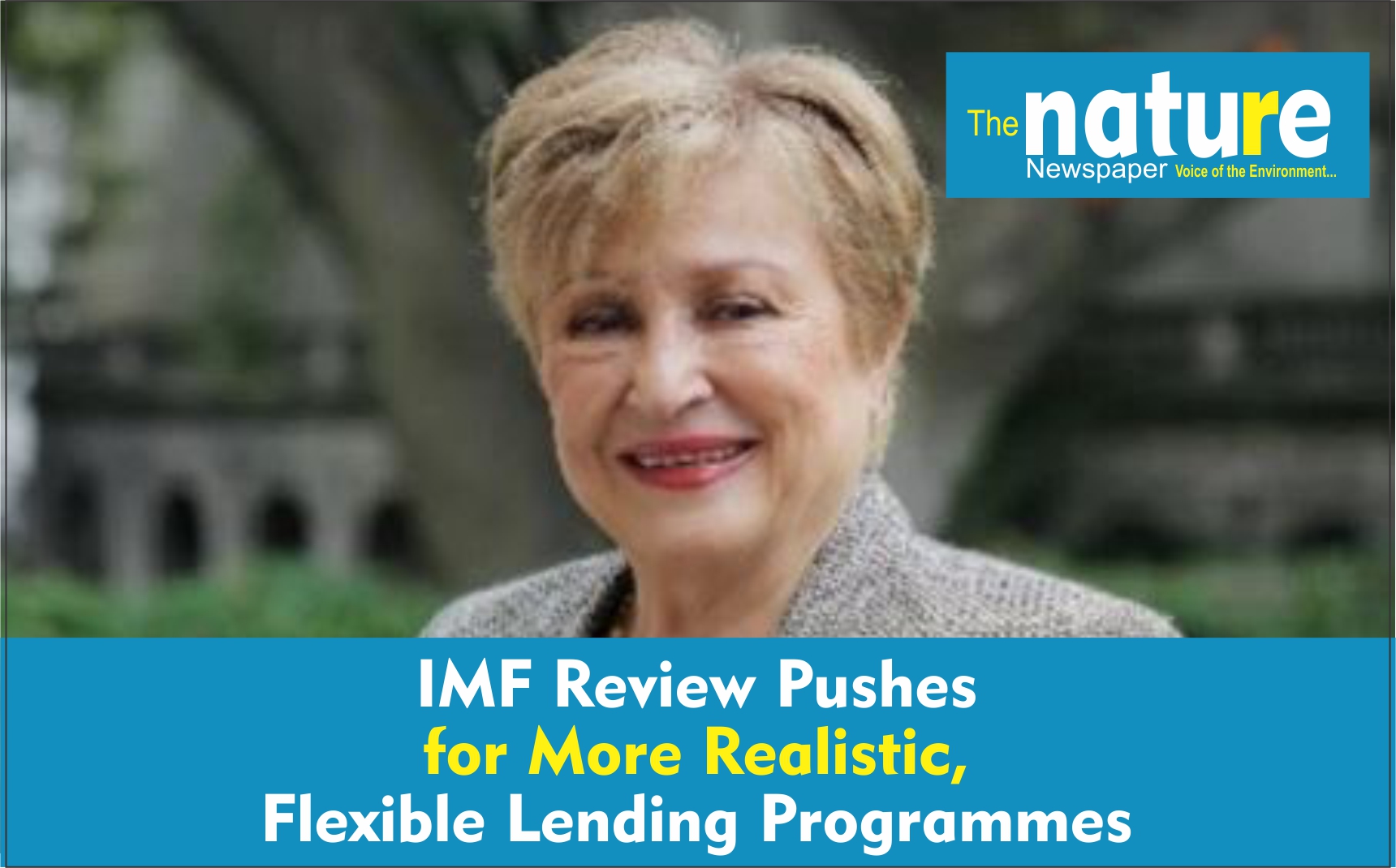
The International Monetary Fund is proposing changes to the design and implementation of its lending programmes, with a new review calling for more realistic economic assumptions, greater flexibility in responding to shocks and a sharper focus on reforms that are critical to restoring external stability. The 2026 Review of Program Design and Conditionality (ROC), the first comprehensive review of its kind since 2018, examines how IMF-supported programmes performed between 2018 and 2024, a period marked by the COVID-19 pandemic, the global cost-of-living crisis, geopolitical conflicts and heightened uncertainty in the global economy and policy environment. The review covers programmes supported through both the General Resources Account (GRA) and the Poverty Reduction and Growth Trust (PRGT). It assesses what worked, where implementation challenges persisted and how the Fund’s lending framework can be adapted to a world in which countries face more frequent and unpredictable shocks. At the center of the reform proposals is a push for programmes to be better tailored to individual country circumstances. The IMF says economic assumptions, policy choices and the sequencing of reforms should be more realistic, while taking greater account of social impacts and the capacity of national authorities to implement agreed measures.
The proposed approach is intended to create a more balanced policy mix and improve the prospects of achieving program objectives, particularly in countries where institutional capacity and fiscal space are constrained. The review also places greater emphasis on flexibility. IMF-supported programmes would make more systematic use of risk assessments, scenario analysis and contingency planning, allowing authorities to adjust policies more quickly when economic conditions change or unexpected shocks emerge. This represents an important shift in how program risks are incorporated into lending arrangements. Rather than relying primarily on a single set of economic assumptions, the proposed framework seeks to give greater consideration to alternative scenarios and the policy responses that may be required if conditions deteriorate. The review also calls for more focused reform agendas. Instead of placing a broad range of demands on governments, programmes should concentrate on fewer but deeper reforms that are directly linked to their objectives. The IMF says capacity development should also be better integrated into programmes, helping countries strengthen institutions and improve their ability to implement reforms. Another central element is the Fund’s catalytic role. The review proposes changes aimed at strengthening the ability of IMF financing to help countries mobilise additional financing and restore access to international capital and other sources of funding. The reforms are also intended to produce more durable solutions to balance-of-payments problems.
This includes greater attention to realistic financing strategies, stronger monitoring of programme implementation and earlier course correction when economic circumstances change. The review reaffirms the appropriateness of the IMF’s 2002 Guidelines on Conditionality while proposing targeted changes to strengthen the coherence and realism of programmes. The reforms are based on lessons from the 2018–24 period, when governments faced multiple overlapping shocks that tested the assumptions underlying traditional program design. The IMF’s review therefore seeks to preserve the core purpose of conditionality while adapting its application to a more uncertain global environment. Following endorsement by the IMF Executive Board, the policy changes outlined in the review will be implemented by IMF staff. The reform package is supported by a series of analytical papers examining program performance, institutional and operational challenges, reform options, case studies and stakeholder feedback. For borrowing countries, the intended outcome is a lending framework that is more responsive to economic shocks, more closely aligned with national circumstances and more focused on reforms capable of producing lasting improvements in external stability.