By Abass Mahmoud Sillah Jr
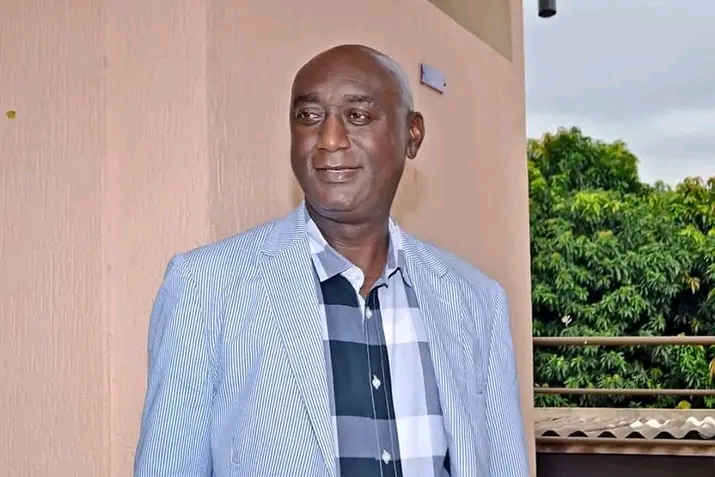
The Executive Director of the Human Rights Defenders Network Sierra Leone (HRDN-SL), Alphonsus B. M. Gbanie, has called for a more responsible use of freedom of expression, emphasizing the need for citizens to clearly distinguish between legitimate expression and unlawful incitement. Delivering a statement on key human rights issues, Gbanie highlighted a broad spectrum of rights, including freedom of expression, the rights of women and girls, LGBTQ+ rights, the right to health, food security, and environmental protection.
However, he narrowed his focus to freedom of expression, describing it as a cornerstone of democratic society. “Freedom of expression is the right to seek, receive, and share information or ideas through any medium without interference,” he stated. “This right allows individuals to express opinions, critique leadership, and participate in national discourse.” He noted that one of the most important tests of this right lies in the ability of citizens to openly criticize government policies, programs, and public statements made by officials. According to him, such criticism is not only lawful but essential for accountability and good governance.
Gbanie underscored that freedom of expression is firmly protected under international, regional, and national legal frameworks. He referenced Article 19 of the Universal Declaration of Human Rights and the International Covenant on Civil and Political Rights, as well as Article 9 of the African Charter on Human and Peoples’ Rights. At the national level, he pointed to Section 25 of Sierra Leone’s Constitution, which guarantees citizens the right to freedom of expression. “Freedom of expression is not just a legal provision—it is a fundamental human right that must be respected and protected at all times,” he said.
However, the HRDN-SL Executive Director cautioned against the misuse of this right, particularly when speech crosses into incitement. He explained that while individuals are free to express opinions, such expression must not provoke violence, hatred, or public disorder. “Incitement goes beyond expression. It involves statements or actions that are likely to stir violence, discrimination, or hostility against individuals or groups,” Gbanie warned. “This is where the law draws a clear boundary.” He urged citizens, especially media practitioners, civil society actors, and political stakeholders, to be mindful of the impact of their words in an increasingly polarized environment.
“As we exercise our right to speak freely, we must also understand our limits. Responsible expression strengthens democracy, but reckless speech can undermine peace and stability,” he added. Gbanie concluded by encouraging continued public education on human rights, noting that a well-informed citizenry is key to safeguarding freedoms while maintaining national cohesion. The statement comes at a time when discussions around free speech and responsible communication are gaining prominence in the country’s evolving democratic landscape.